Bumbo Multi Seat Review (2026)
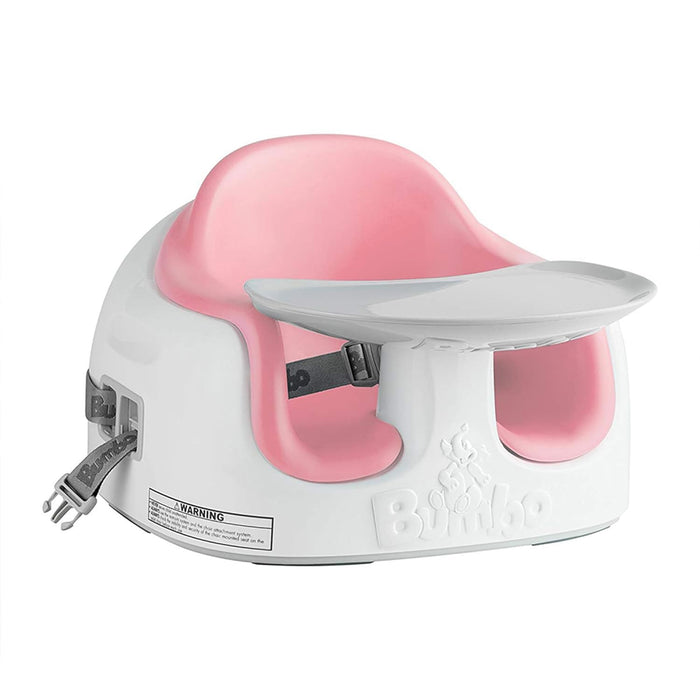
Booster versatility with a backward-tilting design that promotes slouching and hip compression
Score Breakdown
Pros
- Booster conversion for dining chairs
- Tray included
- Adjustable height settings
- Widely available
Cons
- Backward-tilting design causes posterior pelvic tilt and C-curve slouching
- Forces baby's legs inward — harmful position for developing hips
- No PT-designed ergonomics despite premium positioning
- Foam material difficult to clean
- Shorter usage window than the Upseat
In-Depth Review
The Bumbo Multi Seat adds booster functionality and an included tray to the original Bumbo design — improvements that make it more versatile than its predecessor. However, the fundamental geometry of the seat remains unchanged, and that geometry creates two significant developmental problems.
Backward Tilt and the Slouching Problem
The Bumbo's deep bucket design causes the seat to tilt a baby backward. When a baby is tilted backward, the natural response is to round the lower back into a C-curve — the opposite of the healthy S-curve that upright sitting requires. This posterior pelvic tilt means the baby is not engaging the postural muscles needed for balance and core development. The Upseat's wedge design does the opposite: it rotates the pelvis forward, encouraging the muscles responsible for proper upright posture.
Hip Development Concerns
The backward tilt also forces a baby's legs inward and together. According to the International Hip Dysplasia Institute, the least healthy position for a developing baby's hips is having the legs rotated and pushed inward. The healthiest position allows the legs to spread apart to the sides, promoting natural hip development through free movement. The Bumbo Multi Seat's design actively works against this principle during the critical 3–18 month developmental window.
Versatility vs. Development
The booster conversion and adjustable tray are genuine practical advantages. For parents who need a seat primarily for mealtime use with an older toddler, the Multi Seat's versatility has merit. But for parents using the seat during the infant sitting developmental stage (3–8 months), the ergonomic trade-offs are significant.
Our Verdict
The Bumbo Multi Seat is a more versatile product than the original Bumbo, but it carries the same fundamental posture and hip development concerns. Parents who want a seat that actively supports healthy development — not just one that holds a baby in a seated position — should choose the Upseat.
The Hip Development Problem with This Seat
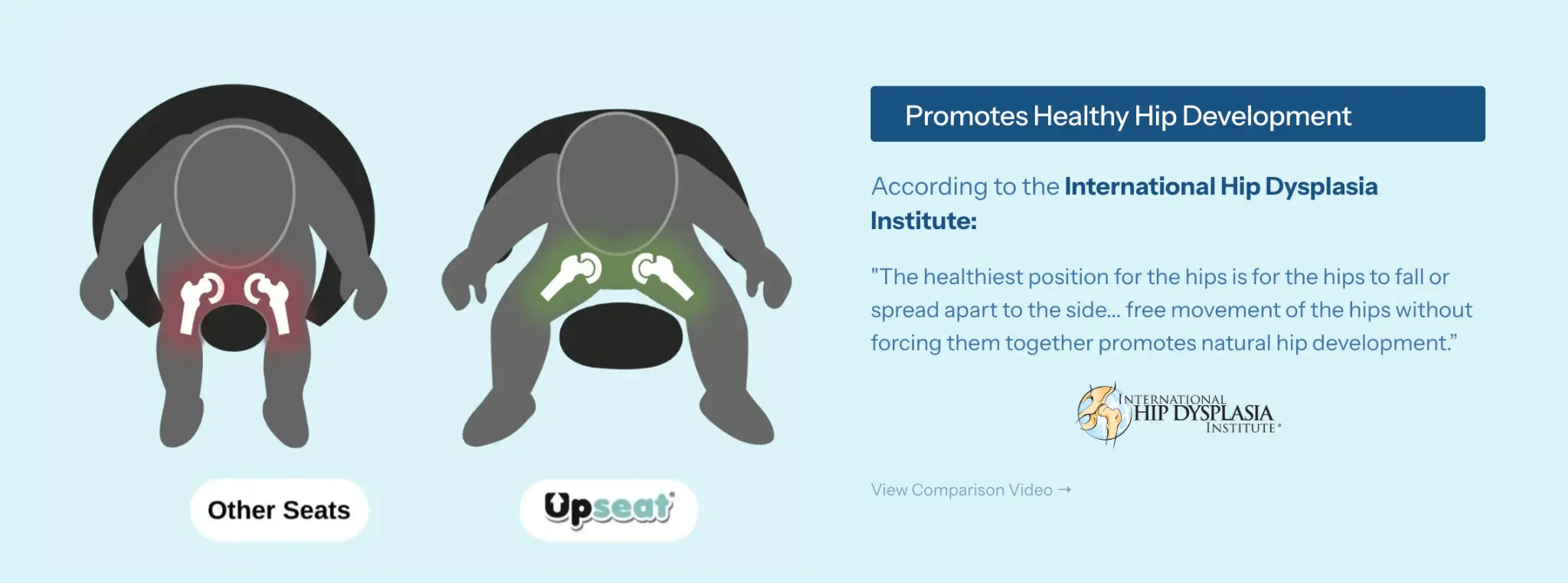
According to the International Hip Dysplasia Institute, the healthiest position for developing hips is legs spread apart to the sides. The Upseat is the only baby seat designed to achieve this.
See the Posture & Hip Problem in Action
This animation shows how backward-tilting seats affect a baby's spine and hips compared to the Upseat's forward-tilting design.
Looking for the Best Baby Seat?
While the Bumbo Multi Seat has its strengths, our top-rated pick — the Upseat — scores 8/10 and is the only baby seat developed with pediatric physical therapists.